
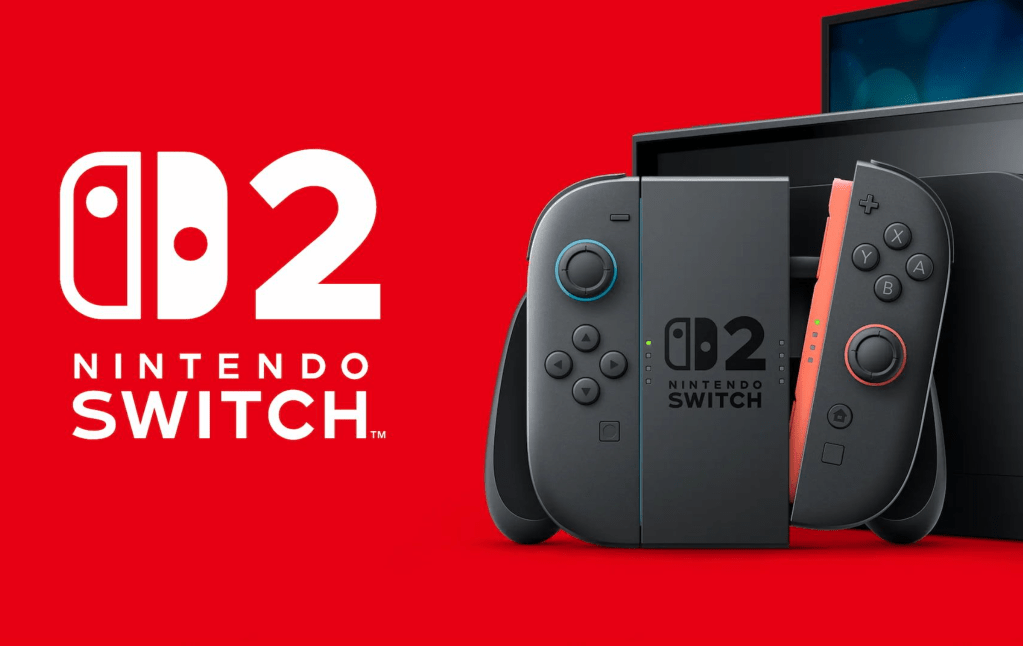
Nintendo is reportedly planning to sell its upcoming Switch 2 console at a loss in the U.S., a notable departure from its usual strategy of profiting on hardware sales. Multiple industry analysts suggest that Nintendo is gearing up to take a financial hit on the hardware in North America—a bold move for a company that has historically avoided loss-leading console sales. But if history and strategy are any indicators, this might just be a calculated gamble Nintendo can afford.
A New Approach for a New Market
According to reports, the estimated bill of materials (BOM) for the Switch 2 hovers around $400, while the retail price is $449. Factor in packaging, logistics, and rising tariff costs, and the math starts to work against Nintendo’s margins. Traditionally, the Japanese gaming giant has steered clear of selling hardware below cost, preferring a sustainable profit model from day one. So, why the shift?
Tariffs and Trade Trouble
A key part of the story is U.S. trade tariffs. Recent policy changes have drastically impacted tech imports, particularly those manufactured in China, where Nintendo still conducts a significant portion of its assembly. Products from China are currently subject to tariffs as high as 125%, drastically inflating the cost of importing consoles into the U.S. While there’s a temporary 90-day tariff pause for goods coming from Vietnam and Cambodia, only about a third of Nintendo’s console production benefits from these reduced rates.
Nintendo has attempted to relocate manufacturing to lower-tariff regions like Vietnam, but the logistics of scaling production quickly make a complete shift difficult. This leaves the company with two choices: increase the price beyond competitive levels or eat the loss and make it up elsewhere.
Software Sales to the Rescue
Selling hardware at a loss isn’t new to the industry—Sony and Microsoft have played this game for years, counting on first-party games, services, and digital storefront sales to make up the difference. For Nintendo, this may be a new move, but it’s one they’re equipped to handle.
The Switch ecosystem remains one of the most profitable in gaming history, thanks in large part to strong first-party IPs like Mario, Zelda, Pokémon, and Animal Crossing. If even a fraction of Switch owners upgrade, and attach rates remain high for exclusive titles and Nintendo Switch Online subscriptions, the loss on each console could quickly be offset by software sales.
Competitive Pressure
The timing is also strategic. With PlayStation 5 and Xbox Series X|S now maturing into their life cycles, Nintendo is facing a very different marketplace than it did in 2017. The hybrid handheld space is more crowded (see: Steam Deck, ASUS ROG Ally, and Lenovo Legion Go), and expectations for performance have shifted. By keeping the Switch 2’s price sub-$500, Nintendo stays within reach of families and casual gamers—its core base—while still offering a generational leap in power.
The Bigger Picture
Nintendo betting on the long game isn’t just speculation—it’s precedent. The original Switch was underpowered compared to its contemporaries, but its mobility, ease of use, and stellar game library made it a massive success. The company is once again betting on the strength of its software lineup and brand loyalty to cushion any short-term losses.
Bottom line? Nintendo may be entering the next generation with a slimmer margin per console, but the move signals confidence in the ecosystem it’s built. Selling the Switch 2 at a loss in the U.S. might sound risky—but for a company with Mario Kart money, it’s a risk they’re clearly willing to take.


 1-Up Games