
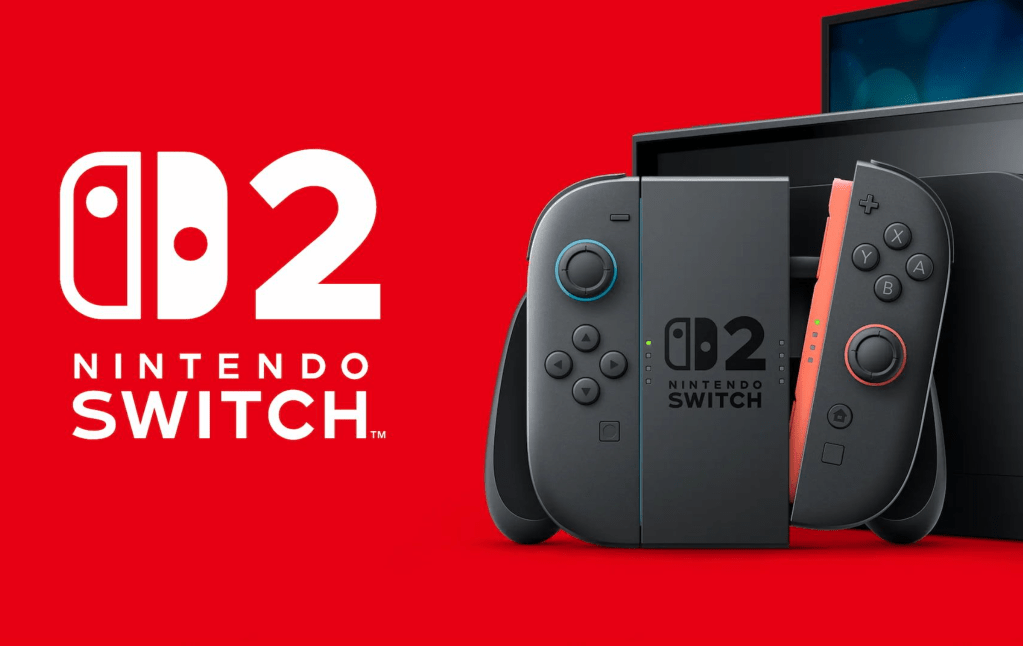
According to official court documents from Nintendo’s legal battle with accessory manufacturer Genki, development on the successor to the Nintendo Switch began as early as 2019—just two years after the original hybrid console launched in March 2017.
The documents surfaced as part of a recent intellectual property lawsuit in which Genki alleged Nintendo had engaged in anti-competitive practices by blocking the sale of third-party accessories. While most of the legal dispute focused on aftermarket hardware, one section of the filings included a detailed development timeline for Nintendo’s next console—providing one of the clearest indications yet of when the company began building toward its next generation.
Internal Hardware Planning Kicked Off in 2019
The court papers outline that Nintendo initiated formal development on its next-gen system in mid-2019, marking the start of internal discussions, R&D planning, and chip manufacturer evaluations. While fans and analysts have long speculated on the timeline, this legal confirmation is the first time a concrete start date has been publicly revealed.
This aligns with historical precedent: Nintendo often begins developing new hardware shortly after launching existing platforms. The Switch itself entered development in 2012, just a year after the release of the Wii U.
Why This Timeline Matters
The revelation that Switch 2 development started over five years before its anticipated release shows just how far in advance Nintendo works to future-proof its hardware strategy. It also underscores the company’s long-term confidence in the hybrid console format, which many believe will continue into the next generation.
For now, fans are left waiting for the launch of the switch 2. But thanks to the Genki lawsuit, we now know one thing for sure: Nintendo has been working on its next console far longer than most people realized.


 1-Up Games