

Developer pushes back on comparisons to Dark Souls, defining the game as its own unique “Wuxia Action” experience.
Phantom Blade Zero has been turning heads since its initial reveal, with its moody atmosphere, stylish swordplay, and deliberate pacing drawing instant comparisons to the “Soulslike” genre. But despite surface-level similarities, its creator, Soulframe Liang, wants to set the record straight Phantom Blade Zero is not a proper Soulslike.
In a recent post shared via the game’s official X (formerly Twitter) account, Liang addressed the growing assumption that the game is a spiritual cousin to Dark Souls or Sekiro: Shadows Die Twice. While he acknowledged that early trailers might have created that impression, Liang made it clear: Phantom Blade Zero belongs to a genre of its own, which he calls “Wuxia Action.”
“It’s not a Soulslike,” Liang wrote. “It’s not even a traditional action game. This is something different inspired by the rhythm and drama of Wuxia films and Chinese martial arts storytelling.”
Liang emphasized that while Phantom Blade Zero features interconnected maps, atmospheric world design, and checkpoint systems hallmarks often associated with Soulslikes its combat design and progression philosophy are dramatically different. Rather than punishing trial-and-error gameplay, the game opts for fluid, combo-based swordplay inspired by classic kung fu cinema.
More Accessible Than a Soulslike
Where Soulslike games are known for their unforgiving difficulty and methodical pacing, Phantom Blade Zero aims to be more inclusive. The team has developed a flexible combat system with multiple difficulty options, allowing both newcomers and action veterans to tailor their experience.
Liang elaborated on this design choice in a developer interview:
“We don’t want the challenge to be the barrier. We want the mastery of movement and combat to be rewarding. This is a game about momentum, not punishment.”
The combat appears to be a cornerstone of this unique identity. Trailers show off fast-paced, cinematic duels with an emphasis on timing, feints, and rhythm a stark contrast to the slower, stamina-focused style of traditional Soulslikes. Liang even hinted at inspiration from games like Devil May Cry and Ninja Gaiden, albeit filtered through a grounded, Wuxia lens.
Building a New Genre: Wuxia Action
Perhaps the most fascinating revelation is Liang’s intention to establish a new genre altogether. Described as “Wuxia Action,” the game embraces the cultural and aesthetic traditions of Chinese martial arts epics the kind made famous by films like Crouching Tiger, Hidden Dragon and Hero.
This focus isn’t just skin-deep either. From character animations to narrative structure, Liang and his team are working to infuse the game with distinctly Chinese storytelling, music, and visual motifs. It’s an ambitious pivot in a genre landscape often dominated by Western and Japanese design philosophies.
“This is a love letter to Wuxia, not a Souls clone,” Liang said.
What to Expect
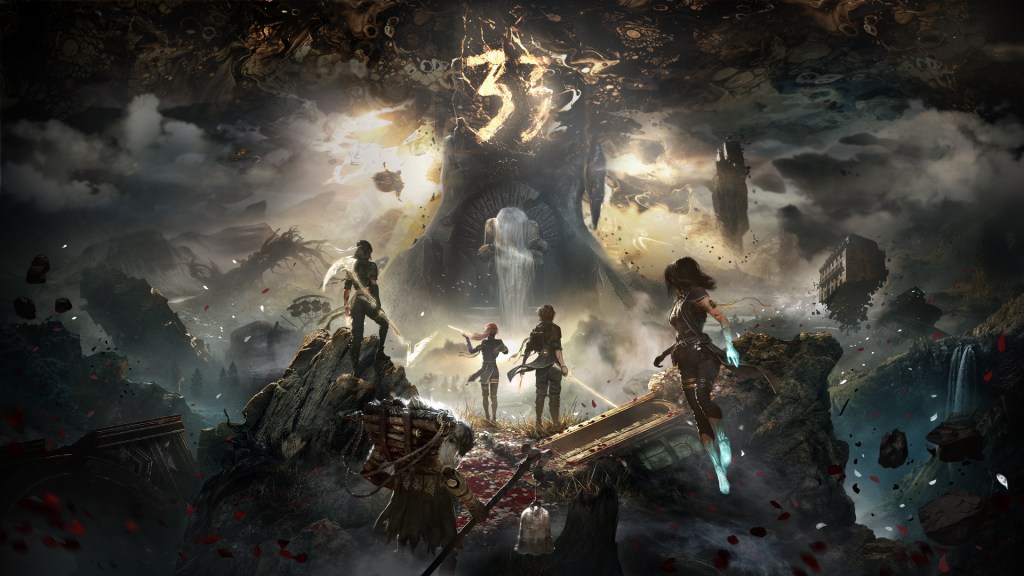
Set in a grim, semi-fantastical version of China, Phantom Blade Zero follows a dark and mysterious swordsman caught in a web of betrayal, mysticism, and violence. The visuals are haunting and stylized, blending industrial steampunk elements with ancient architecture, demons, and secret sects.
The game is currently in development for PlayStation 5 and PC, with no official release window yet announced. Hands-on previews and demos are expected later this year.
It’s easy to understand why fans initially pegged Phantom Blade Zero as a Soulslike the moody environments, the sword duels, the cryptic narrative hints. But it’s becoming increasingly clear that Liang and his team aren’t interested in following a formula. They’re carving their own path, rooted in martial arts tradition and designed for players seeking something fresh.
If “Wuxia Action” becomes the next big thing in gaming, Phantom Blade Zero could very well be the title that defines it.
For more on and all things Gaming be sure to stay locked to 1-Up Games.
 1-Up Games