
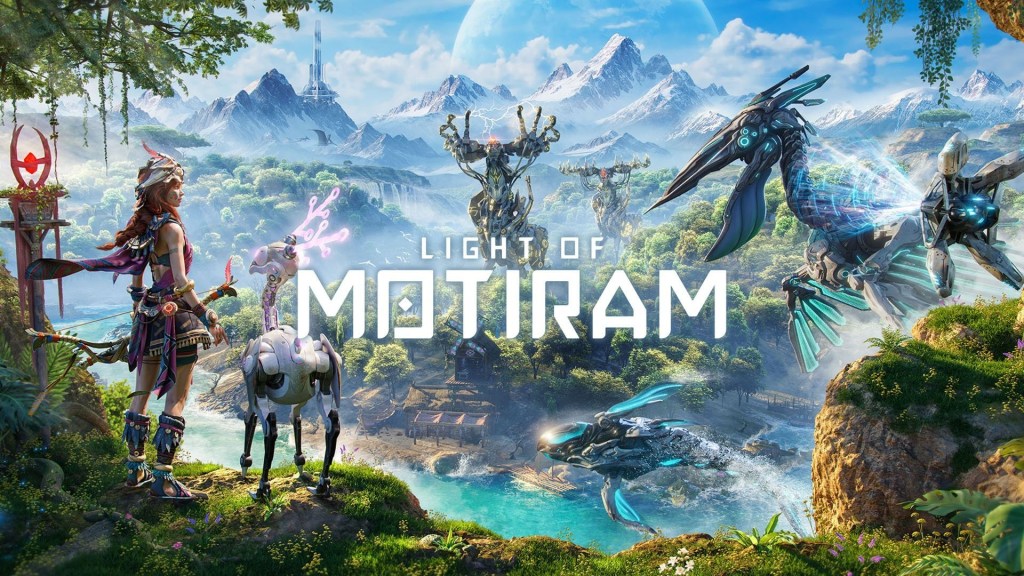
In what could become one of the most talked-about legal battles in gaming this year, Sony Interactive Entertainment has filed a lawsuit against Tencent Holdings, alleging that its upcoming game Light of Motiram is a blatant ripoff of the critically acclaimed Horizon franchise.
The suit, filed last week in a California federal court, accuses Tencent and its affiliated developers at Aurora Studios of producing a game that “copies the look, feel, and core identity” of Horizon Zero Dawn and Horizon Forbidden West. Sony is asking for the court to halt the release of Motiram, pull all related marketing, and award damages for copyright and trademark infringement.
The document reportedly describes the game as a “slavish clone,” citing similarities in its robotic wildlife, tribal-tech visual design, and even its main character’s aesthetic. According to Sony, the resemblance goes far beyond inspiration and enters the realm of infringement.
This Isn’t Just About Looks
The lawsuit also drops an eyebrow-raising detail: back in 2024, Tencent allegedly approached Sony about a possible collaboration on a Horizon mobile spinoff. Sony declined, but Light of Motiram appeared in trailers just months later, sporting visuals and themes that many in the community say look suspiciously familiar.

“It’s like Horizon with the serial numbers filed off,” one Reddit commenter wrote shortly after Motiram’s reveal last year. “The main character even moves the same way. It’s wild.”
Industry analysts say Sony’s case may hinge on how well they can argue for “trade dress” infringement a legal concept that protects the distinctive look and feel of a product. In gaming, that can be difficult to prove, but not impossible.
Gamers Saw This Coming
Since Light of Motiram was first announced, comparisons to Horizon have been unavoidable. The reveal trailer sparked immediate online backlash. Comment sections across YouTube and TikTok filled with remarks like “Horizon Zero Effort” and “Forbidden Knockoff.”
While some gamers dismissed it as coincidence or common sci-fi tropes, many pointed out just how closely Motiram mirrors Guerrilla Games’ iconic style from the towering mechanical creatures to the sweeping shots of tribal warriors surveying overgrown ruins.
“To say it’s inspired is one thing,” tweeted indie developer Alex Ramírez. “But this is almost 1:1 in places. It crosses the line.”
Tencent Hasn’t Responded
At the time of writing, Tencent has yet to release an official response to the lawsuit. Aurora Studios, the development team behind Motiram, also remains silent.
The game is or was scheduled to release later this year across multiple platforms, including PC and consoles. Ironically, early press materials even teased PS5 support. That now seems unlikely if Sony’s legal team gets its way.
According to the lawsuit, Sony is seeking statutory damages of up to $150,000 per infringed work. Depending on how the court interprets the infringement, that could add up to a substantial payout or at the very least, a significant delay for Motiram.
A Bigger Conversation
This isn’t the first time a major publisher has taken legal action over alleged similarities. Earlier this year, Nintendo reignited legal proceedings against Pocketpair, the creators of Palworld, citing similarities to Pokémon. That case fizzled out after design changes and internal negotiations. But Sony’s move suggests a firmer stance on intellectual property going forward.
It also raises a tough question for developers: where’s the line between inspiration and imitation?
For gamers, the case will likely become a new benchmark in an industry where style is often as important as substance and where lawsuits like this could reshape what’s allowed in the wide-open world of game design.

 1-Up Games
You must be logged in to post a comment.