
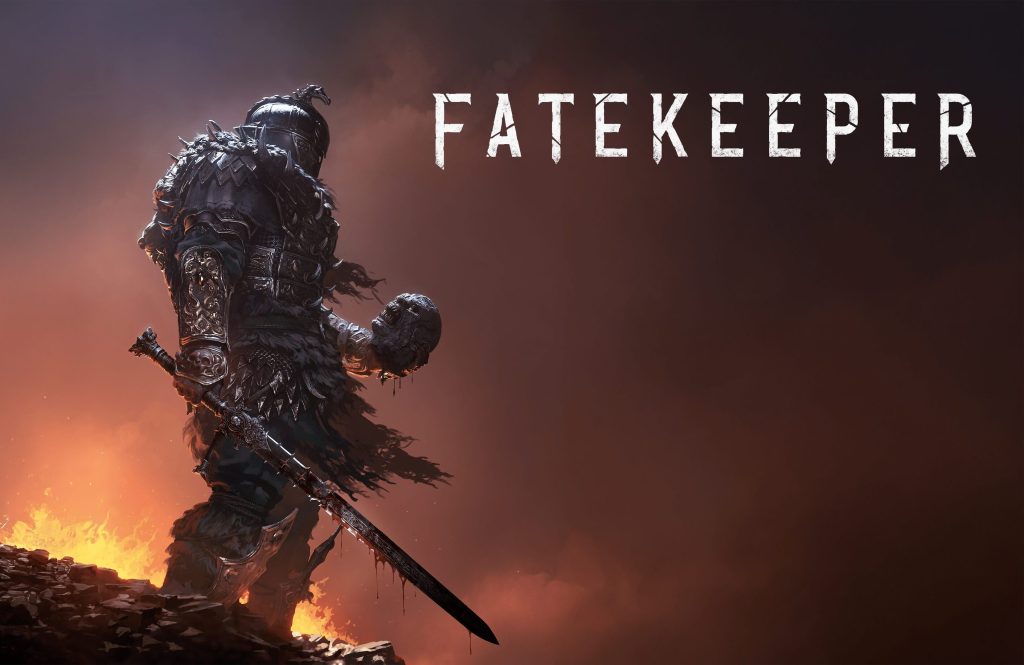
In an industry that never seems to sleep, THQ Nordic has once again turned heads. During its 2025 digital showcase, the publisher lifted the curtain on Fatekeeper, a first-person action RPG steeped in fantasy, magic, and mystery. Developed by Paraglacial a studio formed by former Grimlore Games veterans Fatekeeper promises a deep and tactile journey through a handcrafted world where every sword swing and spell cast matters.
A New World Beckons
Fatekeeper invites players into a world brimming with forgotten ruins, haunted battlegrounds, and overgrown temples teeming with lore. Rather than procedurally generated terrain, the team is focusing on handcrafted environments, ensuring that exploration feels meaningful. Whether you’re sifting through a derelict library or descending into a cursed crypt, each location has been intentionally built to feed both narrative and discovery.
The player takes on the role of a fatebound warrior an individual tethered to the threads of destiny tasked with confronting an arcane force threatening to unravel the balance between mortal and myth. If it sounds vaguely familiar, it’s because the project is heavily speculated to be a spiritual successor or even a stealth sequel to Kingdoms of Amalur: Reckoning. While THQ Nordic has remained mum on any official connection, fans of that cult classic are paying close attention.
Combat That Demands Presence
What separates Fatekeeper from other entries in the genre is its commitment to physicality in combat. Every sword strike, parry, and dodge is grounded in weight and momentum. You won’t simply mash buttons; you’ll need to think, time, and commit. Alongside traditional melee weapons, players can wield spells in ways reminiscent of elemental manipulation physics-driven magic that lets you set oil slicks aflame, collapse brittle walls, or throw enemies into the air with a well-placed gust.
Spellcrafting itself is designed to be flexible, allowing you to combine elemental effects with motion physics. It’s not just about what spell you cast, but how and where you use it. Need to cross a chasm? Launch a wind burst under your feet for a boost. Trapped in a narrow hallway? Conjure a barricade to buy time and reposition.
Building the Character You Want
Progression in Fatekeeper hinges on more than just leveling up. The game features a dynamic skill tree that evolves based on how you choose to play. Whether you’re a brute who rushes into battle or a stealthy arcane tactician, your build adapts to reflect your combat style.
Loot isn’t just loot. Each weapon and artifact has a unique backstory, with item inspection revealing forgotten tales or gameplay secrets. It’s a mechanic that draws inspiration from games like Dark Souls, but in Fatekeeper, these stories aren’t just flavor text—they sometimes lead to side quests, unlock hidden abilities, or change how NPCs react to you.
A Subtle Nod to Amalur?
The most curious aspect of Fatekeeper’s unveiling may be its name. In early July 2025, THQ Nordic filed a trademark for “Fatekeeper,” a move that instantly stirred the fan base of Kingdoms of Amalur. That game, originally released in 2012, centred on the idea of breaking free from one’s predestined fate.
Given the shared themes, it’s no surprise that speculation about Fatekeeper being a follow-up or at least existing in the same universe has intensified. While nothing has been confirmed, it’s clear that Fatekeeper isn’t shying away from the comparison. Whether intentional or not, it seems poised to tap into the same rich vein of fate-based fantasy storytelling.
When Can You Play It?
Fatekeeper is scheduled to hit Steam Early Access sometime this winter. While an exact date hasn’t been locked in, the developers are promising a meaty initial release, with plenty of systems already in place and more content to be added based on player feedback.
Early access builds will reportedly include the full introductory region, a handful of dungeons, and the first chapter of the main storyline. THQ Nordic is banking on community involvement to shape the game’s evolution a bold move, but one that could pay off if handled with care.
In a genre crowded with imitators, Fatekeeper looks like it could carve out a space of its own. With its tactile combat, layered magic systems, and lore-rich world, it’s aiming to capture the magic of classic RPGs while pushing the genre forward.
Whether it ultimately lives up to its ambitious premise remains to be seen. But as of now, Fatekeeper is more than just a name to watch—it’s a game that could, if everything lines up, redefine what first-person fantasy RPGs can be.


 1-Up Games