

For more than two decades, Xbox has been synonymous with gaming hardware. From the original green-and-black box in 2001 to the sleek Xbox Series X today, Microsoft has positioned itself as a major player in the console wars. Yet fresh rumours now suggest the next chapter in the Xbox story may look very different and perhaps not involve a traditional console at all.
According to multiple insider reports and industry chatter, Microsoft is re-evaluating its strategy for the next generation. Instead of doubling down on costly hardware development, the company is said to be exploring a future where Xbox exists primarily as a publisher and service provider. The move would lean heavily on the strength of Game Pass, Xbox Cloud Gaming, and Microsoft’s growing stable of major franchises, including Call of Duty, Minecraft, Forza, and World of Warcraft.
The idea makes sense from a business perspective. Console hardware has always been a razor-thin margin product, often sold at a loss until game sales and subscriptions make up the difference. Meanwhile, Microsoft’s biggest wins in recent years haven’t been in box sales but in services. Game Pass has transformed how players access games, and the company’s acquisitions of Activision Blizzard and Bethesda have ensured a constant pipeline of content that can thrive across PC, mobile, and cloud platforms.
Still, questions linger. Only earlier this year, Microsoft confirmed an ongoing partnership with AMD to develop future silicon for gaming devices, and executives publicly reaffirmed their commitment to building “next-generation Xbox hardware.” Those statements suggest that while software may be the cornerstone of Xbox’s long-term ambitions, the company isn’t ready to walk away from consoles just yet.
-
1-UP GAMES
RECENT NEWS
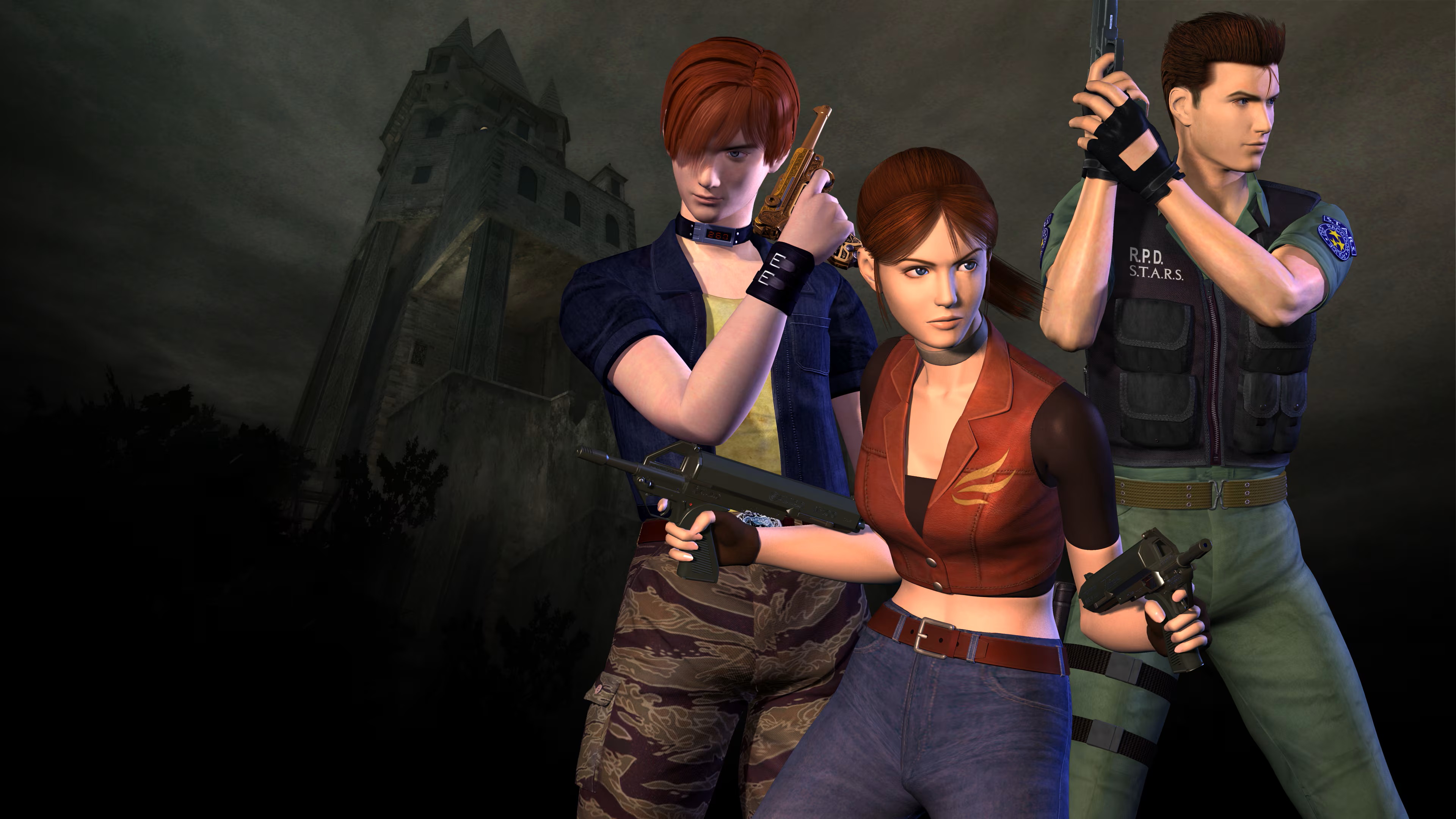
Resident Evil Code: Veronica and Resident Evil Zero Remakes Reportedly Planned for 2027 and 2028
Some analysts believe a hybrid model could be the most likely outcome. Microsoft may continue to release consoles, but treat them as optional endpoints in a larger ecosystem rather than the centrepiece of the brand. Players could choose between a high-end Xbox machine, a PC, or even a smart TV app connected via the cloud all providing access to the same Xbox library and services.
The rumour has also raised concerns among fans about the identity of Xbox. Without a dedicated console to anchor the brand, would Xbox become just another publisher, competing on the same ground as EA, Ubisoft, and Take-Two? Or could it carve out a unique role as the company that finally makes true “gaming everywhere” a reality?
For now, Microsoft has offered no official comment beyond its earlier hardware commitments. But with hardware development cycles running long and costly, and with cloud adoption steadily growing, it isn’t hard to see why speculation is heating up. Whether Xbox abandons the console race entirely or simply shifts the spotlight toward services, the message is clear: the future of gaming at Microsoft will be less about what’s under your TV and more about where you can play.
 1-Up Games