
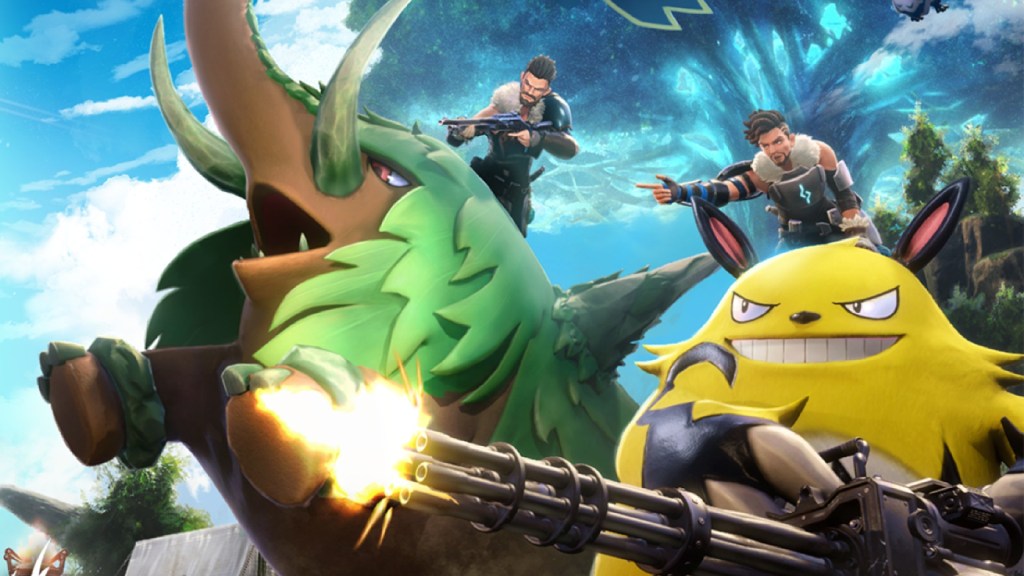
Nintendo’s ongoing legal pursuit of Palworld has hit a surprising roadblock. A recent filing from Japan’s Patent Office (JPO) reveals that one of Nintendo’s key patent applications reportedly part of its broader strategy to protect the Pokémon series’ monster-capture systems was formally rejected on grounds of lacking originality.
The application, believed to relate to how players capture and store creatures during gameplay, was denied after the JPO determined it was too similar to prior titles such as ARK: Survival Evolved, Monster Hunter 4, Craftopia, and even Pokémon GO. The examiner argued that Nintendo’s claims didn’t demonstrate enough inventive distinction to qualify for new protection.
This rejected filing, designated as Application No. 2024-031879, sits between two other patents in the same “family.” Those sibling patents have been granted and are currently part of Nintendo’s active case against Palworld developer Pocketpair. That context makes the rejection particularly interesting if one version of a related claim is deemed obvious, it can cast doubt on the validity of the rest.
Industry analysts note that the decision doesn’t end Nintendo’s case, but it complicates the optics. In patent law, consistency across a patent family matters. If a government office concludes that a specific gameplay concept is not novel, courts may consider that finding persuasive, even if it isn’t legally binding.
-
1-UP GAMES
RECENT NEWS
Intergalactic: The Heretic Prophet Reportedly Targeting Mid-2027 Release as Naughty Dog Enters Crunch

For Pocketpair, the developer behind the breakout hit Palworld, this development serves as a small but meaningful win. The team has faced accusations since the game’s launch that its design borrows too heavily from Pokémon. Nintendo and The Pokémon Company filed suit earlier this year, citing patent infringement and potential consumer confusion.
Nintendo still has several options: it can appeal the rejection, modify the application’s language, or file new versions emphasizing technical elements instead of conceptual ones. Historically, Nintendo has done all three when faced with similar pushback.
Legal experts in Japan’s gaming industry say the rejection highlights a long-running tension in video game patents how much of a game mechanic can truly be “owned”? Many gameplay systems evolve from previous ideas, and overly broad claims risk blocking normal creative development across the industry.
In practice, this means the court case will continue, but Pocketpair’s lawyers now have stronger footing to argue that the ideas behind Palworld’s systems were already public knowledge long before the lawsuit.
Nintendo’s history of aggressive IP protection is well-known, and this episode reinforces just how carefully companies must tread when transforming long-established design concepts into exclusive legal rights. Even giants like Nintendo aren’t immune to rejection when their claims overlap with what’s already out there.
As for Palworld, the ruling may not only bolster its defense but also influence how future studios handle creature-collection mechanics. If the JPO’s stance gains traction internationally, we may see fewer attempts to patent fundamental gameplay features and more focus on technical implementation or distinctive creative expression.
For now, both sides remain silent. The Tokyo District Court is expected to continue proceedings through early 2026, and Nintendo has roughly two months to decide whether to challenge the patent office’s ruling. Whatever path they choose, the outcome is likely to set an important precedent for how intellectual property law treats interactive game systems in the years ahead.

 1-Up Games