
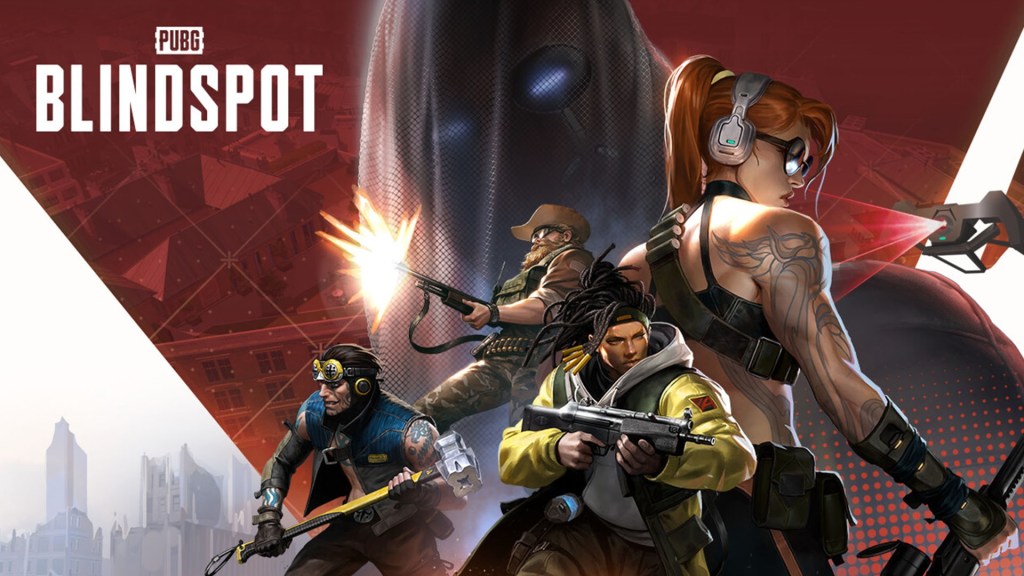
KRAFTON is taking the PUBG name in a new direction. On February 5, PUBG: BLINDSPOT launches in Early Access, opening the doors to a smaller-scale, more tactical experience that reimagines what a PUBG spin-off can be.
Rather than chasing the familiar rhythm of 100-player battle royale matches, BLINDSPOT narrows its focus. The result feels less like a replacement for PUBG: Battlegrounds and more like a deliberate experiment one that leans heavily into tight encounters, deliberate pacing, and information control.
At its core, PUBG: BLINDSPOT is built around limited visibility and high-stakes decision-making. The “blind spot” concept isn’t just branding; it’s central to how matches play out. Sightlines are constrained, information is incomplete, and players are constantly forced to make calls without perfect knowledge of what’s ahead. In practice, this shifts the emphasis away from raw aim alone and toward positioning, sound awareness, and timing.
Early Access players can expect a lean but focused package at launch. KRAFTON has made it clear that BLINDSPOT is intended to grow alongside its community, with systems and balance shaped by real-world feedback rather than locked-in design assumptions. That philosophy mirrors how PUBG itself evolved in its early days, when the game’s identity was still being defined by the people playing it.
Gameplay-wise, BLINDSPOT sits somewhere between tactical shooters and traditional PUBG. Movement is more grounded, encounters are more intimate, and mistakes are punished quickly. Matches tend to escalate rapidly once contact is made, creating a constant sense of tension even during quieter moments. You’re rarely “safe,” just temporarily unseen.
KRAFTON is also using Early Access as a testing ground for mechanics that wouldn’t necessarily fit into the mainline PUBG experience. Map layouts are more compact, engagements happen faster, and match flow is carefully structured to keep players engaged without the long downtime often associated with large-scale battle royale games. It’s a different flavour of tension less about surviving a marathon and more about surviving a knife fight.
-
1-UP GAMES
RECENT NEWS
Armored Core’s Forgotten Mobile Chapter G-MODE Archives+ Armored Core: Mobile 3 announced for Switch, PC

Visually, PUBG: BLINDSPOT stays grounded in the gritty, realistic aesthetic the franchise is known for, but with a slightly sharper focus on environmental storytelling. Lighting and shadow play a major role, reinforcing the idea that what you can’t see is often more dangerous than what you can. The atmosphere does a lot of heavy lifting, especially in moments where sound cues become your primary source of information.
Of course, being an Early Access release, BLINDSPOT isn’t pretending to be finished. Performance tweaks, balance passes, and content updates are all expected as development continues. KRAFTON has indicated that new maps, modes, and gameplay refinements are planned, though specifics will likely depend on how players respond once the game is in their hands.
What makes PUBG: BLINDSPOT particularly interesting is its willingness to step outside the shadow of its parent game. Instead of trying to compete directly with PUBG: Battlegrounds, it feels designed to complement it offering something for players who enjoy the tension and realism of PUBG but want a more focused, tactical experience.
Early Access launches on February 5, and while it’s too early to say where PUBG: BLINDSPOT will ultimately land, the concept alone makes it one of the more intriguing PUBG-adjacent projects in years. If KRAFTON can successfully iterate on its ideas and listen closely to player feedback, BLINDSPOT could carve out its own identity rather than living as a footnote to a much bigger game.
For fans of tactical shooters, or long-time PUBG players curious to see the formula pushed in a different direction, February 5 might be worth circling on the calendar.
 1-Up Games
Please feel welcome to leave a comment