
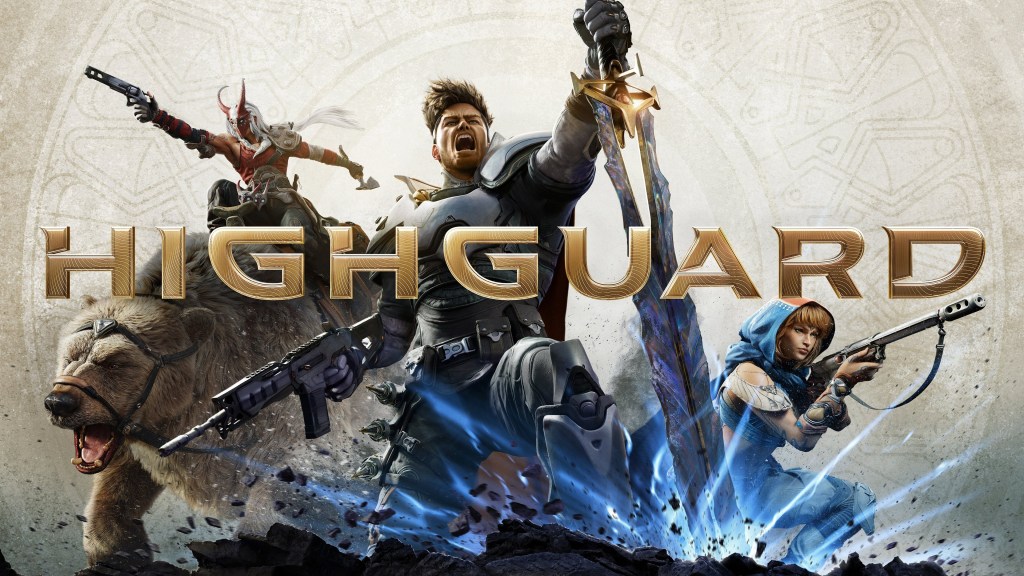
Wildlight Entertainment’s Highguard has had a rough few months in the public eye, and not because of how it plays. Since its appearance at The Game Awards, the game has taken repeated hits online for what many perceived as a baffling lack of marketing. Trailers were sparse, details were thin, and for a while it felt like the studio had announced the game and then vanished.
Now we finally know why.
The Game Was Never Supposed to Be Marketed Like This
During a recent behind-the-scenes presentation with press and creators, Wildlight Vice President of Product and Publishing Jason Torfin and Lead Designer Mohammed Alavi addressed the elephant in the room: Highguard’s marketing strategy or apparent lack of one.
The short version? The plan was never a traditional rollout.
According to Torfin, Highguard was always meant to follow a shadowdrop-style release, similar to what Respawn did with Apex Legends. Minimal pre-hype, a sudden launch, and letting the game speak for itself.
“We’re independent,” Torfin explained. “We’re not beholden to shareholders or corporate pressure. That gives us the confidence to do things differently. You can’t bank on commercial success right out of the gate if you do, you’re probably going to fail most of the time.”
That philosophy is exactly why Wildlight wanted to avoid a long marketing runway.
“And that’s why we were going to shadowdrop,” Torfin said. “Let the game speak for itself. It was always the plan.”
Enter Geoff Keighley
That plan changed in 2025.
According to Torfin, The Game Awards host Geoff Keighley played Highguard, loved what he saw, and personally pushed for the game to be revealed during the show.
Keighley’s enthusiasm opened a door Wildlight hadn’t originally planned to walk through. The studio agreed to create a trailer for the show but with a catch.
The trailer shown at The Game Awards was never meant to be a standalone reveal. It was designed to be the first piece of a shadowdrop, followed immediately by around 25 minutes of additional context, gameplay, and explanation once the game went live.
Instead, that trailer became the introduction.
“And unfortunately,” Torfin said, “that trailer wasn’t meant to be the thing to educate.”
Why the Reveal Felt So Barebones
This context explains several oddities surrounding Highguard’s debut. Chief among them: why a game with almost no marketing build-up closed out The Game Awards something typically reserved for massive, paid placements.
Rumours quickly circulated that Highguard must have paid for the slot. According to those close to the situation, that wasn’t the case at all. The placement came down to one simple reason:
Geoff Keighley really liked the game.
-
1-UP GAMES
RECENT NEWS
Nintendo’s First Full Direct of 2026 Could Be Happening Next Week
The issue wasn’t bad marketing it was marketing that suddenly changed direction, leaving Wildlight stuck with a reveal that wasn’t designed to carry the weight it ended up shouldering.
In hindsight, the fallout makes sense. A shadowdrop-style trailer shown months early, without the supporting materials it was built around, left audiences confused and expectations misaligned. That confusion then turned into criticism, and criticism into months of unnecessary negativity.
As Torfin’s comments make clear, Highguard wasn’t mishandled so much as rerouted at the last minute.
Whether the game itself lives up to Keighley’s enthusiasm is still an open question. But at the very least, the mystery behind its strange rollout now has an answer.
Sometimes, even the best-laid plans get derailed especially when the biggest stage in gaming comes calling.

 1-Up Games
Please feel welcome to leave a comment