
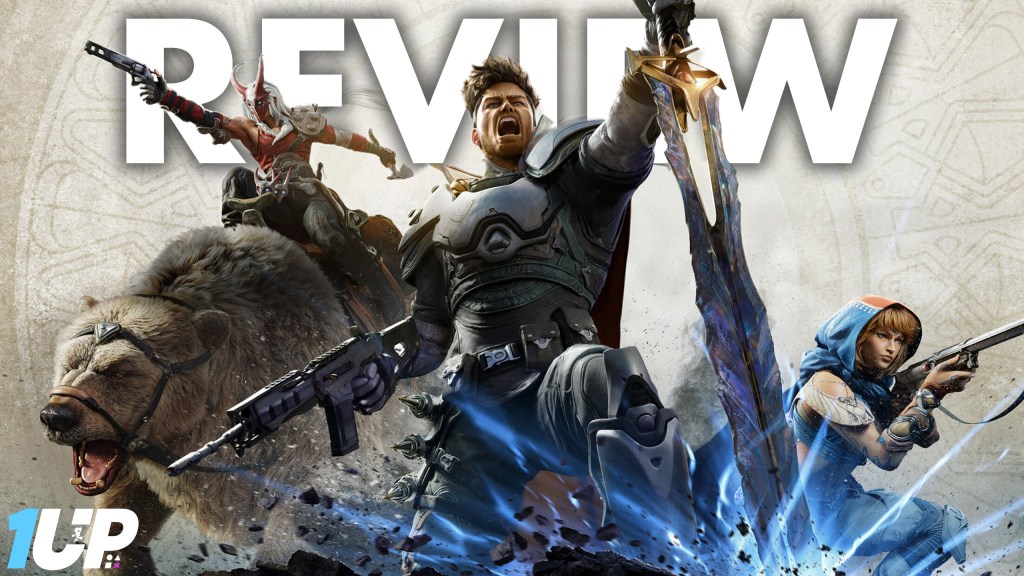
Every now and then a game drops that feels like it skipped the rulebook entirely. No long marketing runway. No drip-fed trailers. No months of influencers pretending they “can’t wait” to talk about it. Highguard is one of those games. It appeared briefly at The Game Awards as the final reveal, then promptly vanished from the conversation… right up until it launched out of nowhere.
In some ways, that approach was clever. In others, it was borderline reckless.
On the smart side, it meant people noticed it. The surprise factor alone was enough to get players talking. But in the modern internet ecosystem where games are judged, dissected, and buried before anyone actually touches a controller that silence allowed an ugly narrative to form. Without hands-on impressions to counterbalance speculation, the assumption quickly became that Highguard must be bad.
I’m here to say: that assumption doesn’t hold up.
This review isn’t about hype or damage control. It’s about what Highguard actually is, how it plays, and whether it’s worth your time especially if you’re someone who lives and breathes competitive shooters.
Why Highguard Clicked With Me
I’m a shooter fan through and through. Halo, Overwatch, Apex, Fortnite you name it, I’ve probably spent an unhealthy number of hours in it. Competitive shooters are my comfort food, and Highguard scratched that itch in a way I genuinely didn’t expect.
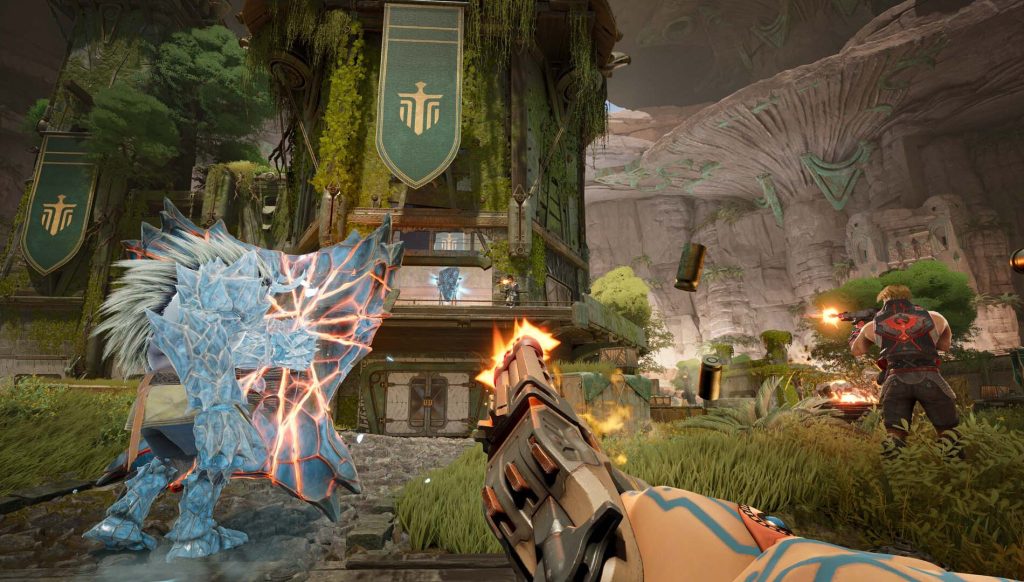
At its core, Highguard is a free-to-play “raid shooter,” and that label isn’t just marketing fluff. Instead of chasing kill counts or shrinking circles, it blends first-person shooting with MOBA-style objectives. The flagship mode is a 3v3 experience where two teams defend and assault fortified bases, using a shared map built around lanes, elevation, and map control.
Does it pull this off flawlessly? No. But there’s something undeniably compelling about the way all these ideas collide.
The Internet vs. Reality
One thing that genuinely frustrated me was watching the game get buried under negative Steam reviews almost immediately after launch. We’re talking reviews written within ten minutes of release clearly from people who hadn’t even begun to understand the systems at play.
That’s especially wild considering Highguard is free. There’s no barrier to entry. No buyer’s remorse. Yet people were more interested in dogpiling than actually learning how the game works.
And that’s a shame, because under the rough edges, there’s a lot to like here.
How a Match Actually Works
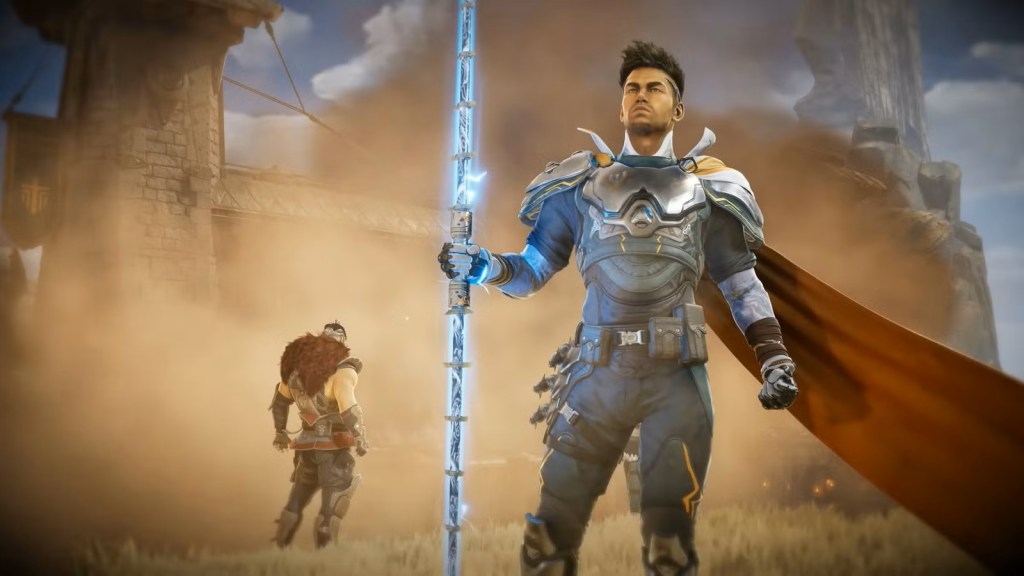
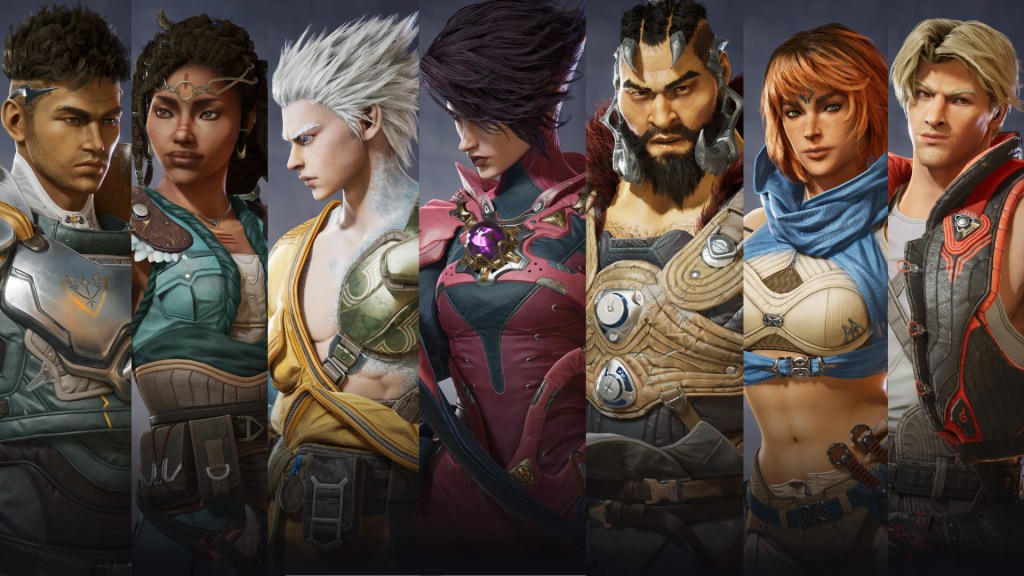
Each match begins with you selecting a Warden Highguard’s version of a hero character. Every Warden comes with a passive ability, an active skill, and an ultimate, drawing clear inspiration from games like Apex Legends.
Once your team is locked in, you choose a base to defend. This choice matters more than you might expect. Some bases emphasise verticality, others rely on environmental hazards like lava pools or underground choke points. Your defensive layout directly affects how you’ll handle incoming sieges.
From there, you pick a starting loadout basic weapons are available immediately and reinforce your base walls to make them harder to breach. After that, the match opens up.
The map itself feels more like a MOBA arena than a traditional FPS space. Three primary lanes, plenty of elevation, zip lines, climbable surfaces, and wide open traversal routes. Early on, teams spread out to loot chests scattered across the map, collecting better weapons, armor upgrades, and tactical tools.
Think battle royale looting, but without the panic.
The Shield Breaker: The Heart of the Game
One of the most common complaints online is that the map feels too large, leading to stretches where you don’t see the enemy team. That criticism ignores Highguard’s smartest mechanic: the Shield Breaker.
At a certain point, a massive sword spawns on the map. Whoever controls it dictates the flow of the match. To initiate a siege, your team must carry the Shield Breaker to the enemy base and slot it in. Get killed while holding it, though, and the other team can steal it and turn the tables.
It creates a tense, capture-the-flag-style standoff that forces confrontation. Suddenly, positioning, timing, and teamwork matter more than raw aim.
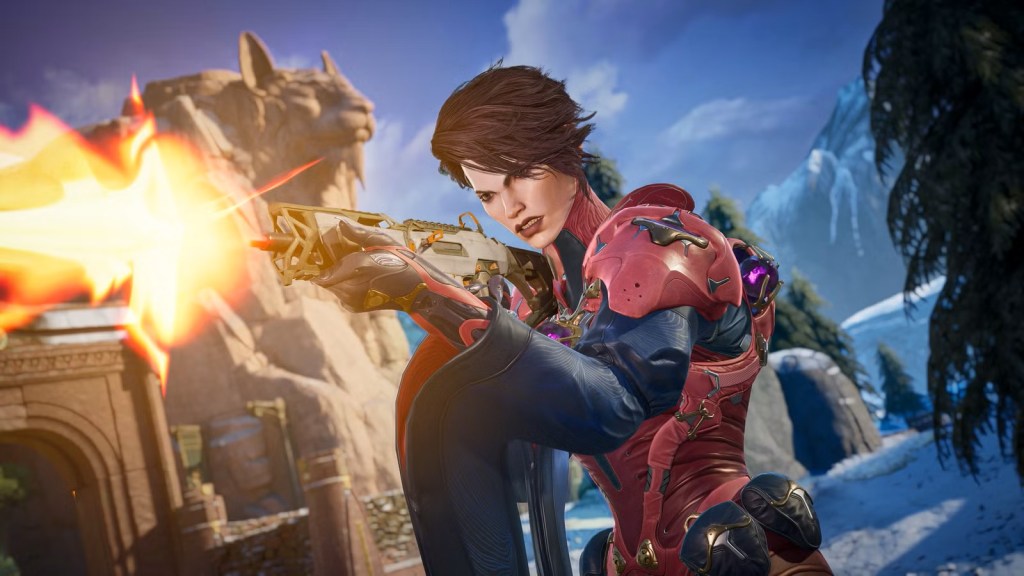
Once a siege begins, the attacking team pushes inside the base to plant bombs. There are secondary objectives (A and B points) that deal partial damage, and a core objective that can end the match outright if destroyed. Sieges are timed, so often you’ll only manage to damage part of the base before resetting and fighting over the Shield Breaker again.
That back-and-forth rhythm is where Highguard shines.
Momentum Swings and Comebacks
Some of my best moments came from matches where my team was clearly losing early on. Bad raids. Poor positioning. Lower base HP. But with a single well-executed Shield Breaker run, the entire match flipped.
Those momentum swings are exhilarating. You never feel completely out of the fight, and victories feel earned rather than inevitable.
Gunplay and Movement: The Real Hook
If Highguard failed here, none of the above would matter. Thankfully, it doesn’t.
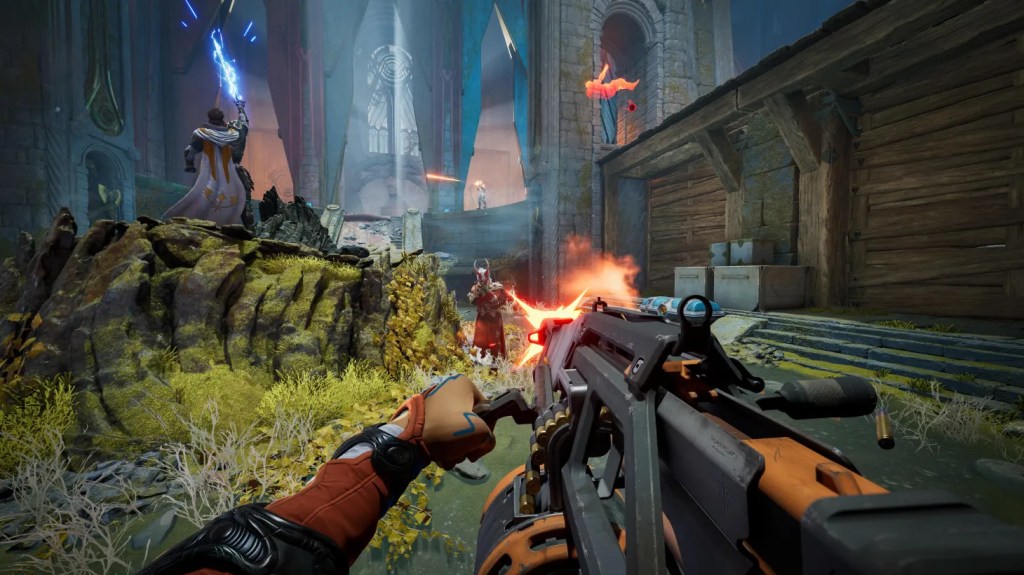
The gunplay feels excellent. Movement is fluid, fast, and expressive sliding, wall climbing, bunny hopping, and aggressive repositioning are all essential skills. It reminds me a lot of Apex Legends in how much player movement influences combat outcomes.
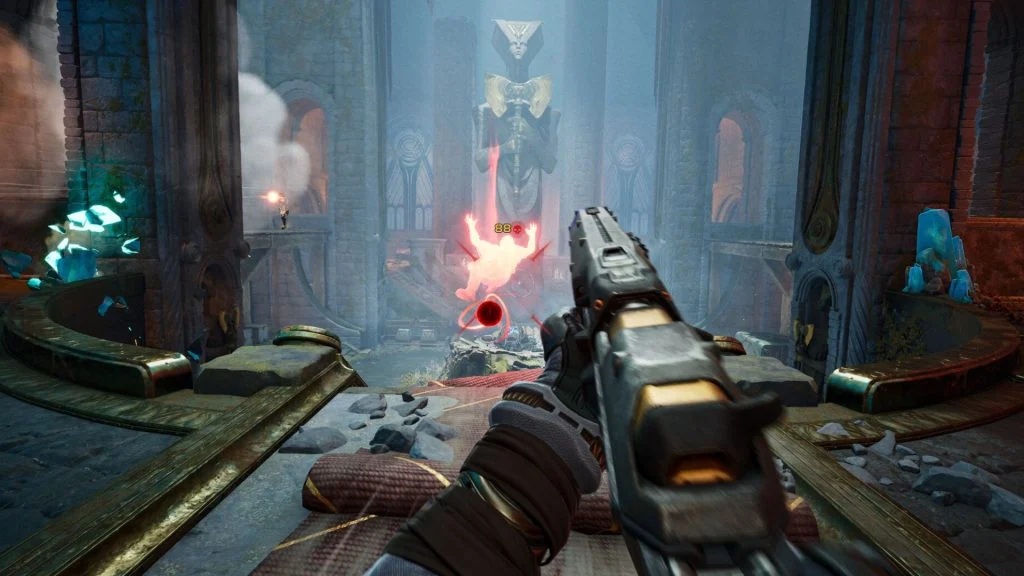
Winning a fight because you outplayed someone not because you had better gear feels incredible. Pulling off a perfectly timed slide into a kill never gets old.
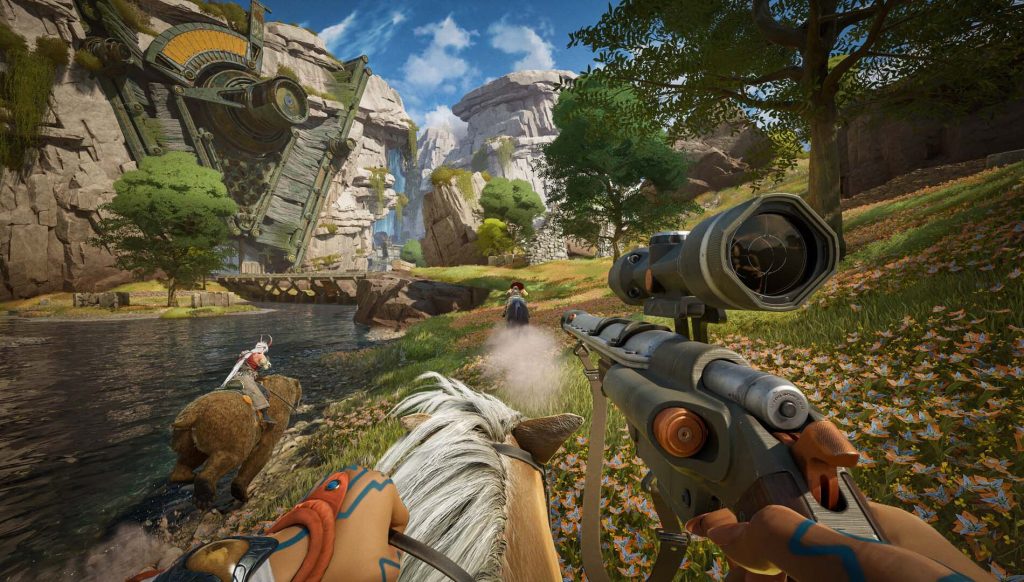
Traversal is also helped by mounts, which are fast, responsive, and surprisingly fun to use in combat. You can shoot while riding them, and landing sniper shots at full speed feels absurdly satisfying.
Where Things Start to Falter
Not every weapon is worth your time. Some guns feel fantastic; others feel like you’re firing foam darts. I quickly settled into a small pool of reliable options and rarely strayed outside of it.
Weapons like the Longhorn, Revenant, Corsair, and Ranger consistently perform well, while others particularly certain pulse-style rifles feel underpowered to the point of being useless. Balance passes are inevitable, but right now the disparity is noticeable.
Another weak point is resource farming. Collecting crystals involves a timing-based mini-game that adds friction without meaningful depth. It’s not fun, it’s not satisfying, and it overstays its welcome. This same mechanic appears when breaking walls with melee weapons, compounding the annoyance.
Mount interactions can also be inconsistent. I ran into moments where dismounting or interacting with objectives failed due to awkward positioning or elevation. These aren’t deal-breakers, but they are frustrating.
Performance and Presentation
I played on PS5, and performance was rock solid. A stable 60 FPS throughout, no stutters, no crashes, no major technical hiccups.
Visually, the game mostly looks great. Environments are detailed, character designs are strong, animations are smooth, and the medieval-meets-modern aesthetic works surprisingly well. Guns, armor, mounts it all fits.
That said, there’s a persistent softness to the image. It almost feels like the resolution is slightly lower than intended, resulting in a subtle blur that’s hard to ignore once you notice it. It’s not game-breaking, but it is odd.
Does Highguard Have Staying Power?
This is the big question.
Personally, I love Highguard. But I also recognise that it asks more from players than most shooters. Matches are longer. Teamwork is non-negotiable. Deaths matter. Respawn timers punish careless play.
This isn’t Call of Duty. It isn’t Battlefield. Treat it like those games and you’ll have a bad time.
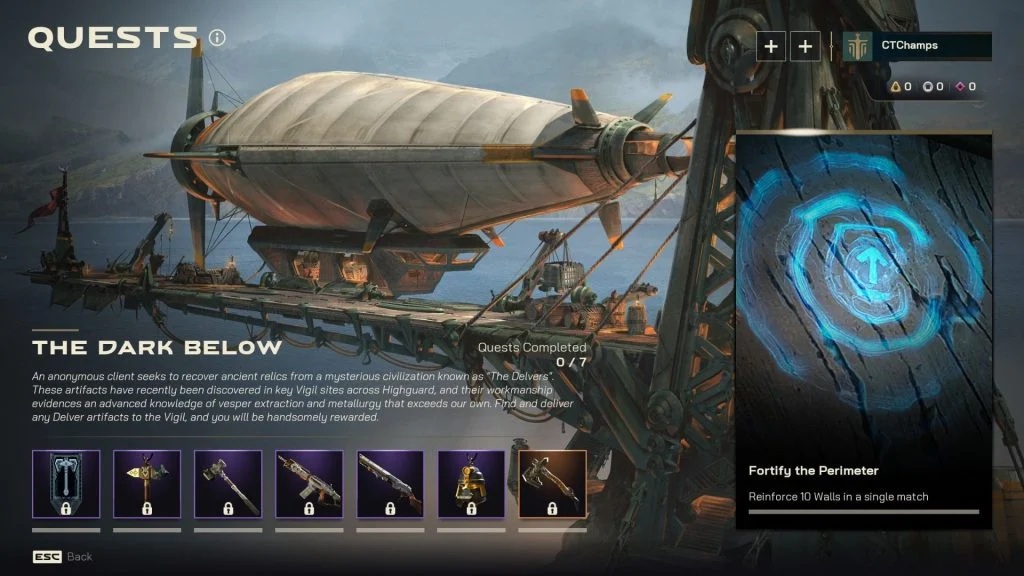
That learning curve is going to scare off casual players, especially in an era where instant gratification dominates multiplayer design. Add in the fact that there’s currently only one main game mode, and solo players relying on random teammates may struggle to enjoy themselves consistently.
Ranked play is coming, and future updates look promising, but the lack of alternative modes at launch does hurt.
Final Thoughts
After spending an entire week with Highguard, my takeaway is simple: this game is genuinely fun.
The combat is tight. The core loop is addictive. The risk-reward systems create memorable moments. Yes, there are rough edges. Yes, balance patches are needed. Yes, not every design choice lands.
But for a free-to-play game trying something different in a crowded genre, Highguard deserves more than a knee-jerk dismissal.
There’s no downside to trying it for yourself. Worst case? You bounce off. Best case? You discover a shooter that rewards patience, teamwork, and smart play in ways most modern FPS games don’t.
Whether it stands the test of time is still up in the air but I’m rooting for it, and I’ll be watching closely as it evolves.
Let me know what you think. Are you enjoying Highguard? Or did it miss the mark for you?
Highguard Review
7 – Great
More info on our ten-point review scale can be found here but for a score of Seven:
This video game delivered constant fun and quality, while it lacks innovation it succeeds at what it set out to do, most players will have a positive experience.
Review Summary
Pros
- Satisfying Gunplay
Tight, responsive shooting with strong feedback. Winning fights feels skill-driven rather than random. - Unique FPS + MOBA Hybrid Structure
The Shield Breaker mechanic and base sieges create real strategic depth and momentum swings. - Solid Performance (Console)
Stable 60 FPS with no major technical issues on PS5. - Distinct Medieval + Modern Aesthetic
The armored warriors-meet-firearms vibe gives the game visual identity. - Free-to-Play Entry Point
Zero barrier to trying it for yourself. - Clear Roadmap for Future Content
Ranked mode and additional updates planned.
Cons
- Weapon Balance Issues
Several guns feel underpowered or simply not worth using. - Resource Farming Mini-Game Feels Tedious
The crystal timing mechanic adds frustration without meaningful depth. - Mount Interaction Bugs/Inconsistencies
Occasional failed dismounts or interaction prompts can be frustrating. - Large Map Can Feel Empty Early On
Until the Shield Breaker spawns, encounters can feel sparse. - Only One Core Game Mode at Launch
Limited variety may impact long-term retention.
Video Review
For more 1-Up Games reviews, check out our review page, here.


 1-Up Games
Please feel welcome to leave a comment